Goo could be the jam that falls off your sandwich and stains your brand new shirt, the prepackaged brownie left to ferment in the back of a cupboard for years, or it could be an amalgamation of grease, microscopic creatures, and their byproducts that were found on the R/V Blue Heron.
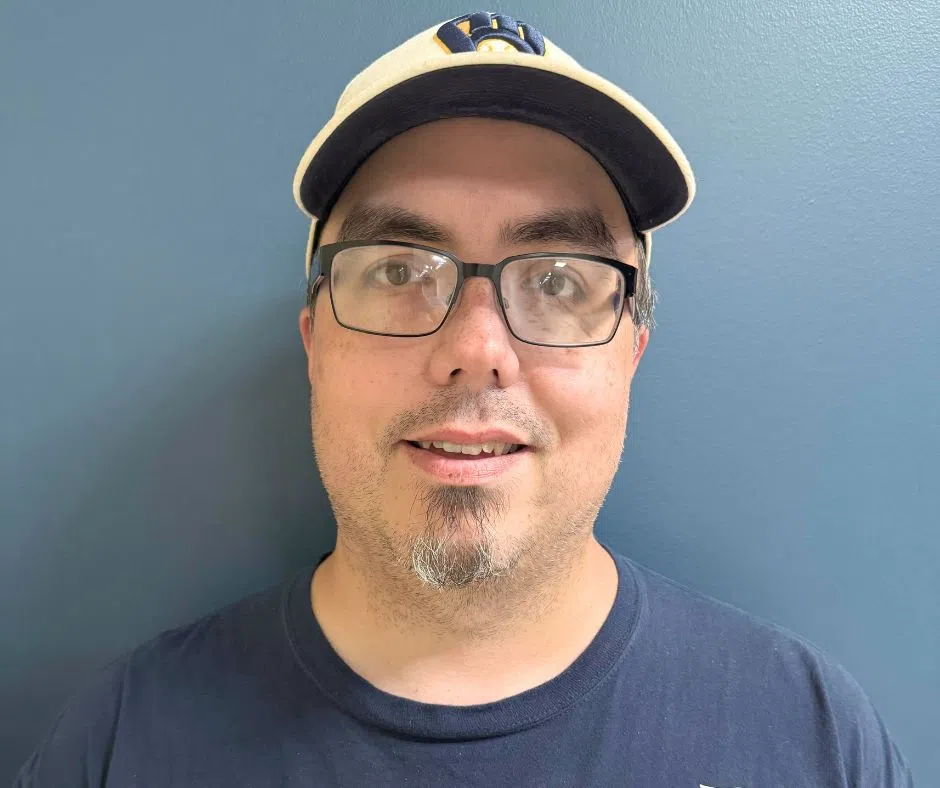
Dr. Cody Sheik, Assistant Professor of Biology at UMD’s Large Lakes Observatory, says that this complex charcuterie board of goo is full of new things: “So far we have about 20-ish genomes that we’ve been able to resolve that are mostly new species, and with a few that are novel phyla and classes.”
For those of you (like me) who need a refresher on taxonomy, a phylum (plural phyla) is the classification for living organisms which share certain traits and evolutionary similarities, and it sits just underneath the taxonomic kingdoms (Animalia, Plantae, Fungi, Protista, Archaea, and Bacteria). Classes sit just underneath phyla, further narrowing down what an organism is. The humble Walleye, for example, is part of the same phylum that we humans are (Chordata), but fortunately it’s not a mammal like we are, or fall fishing on the St. Louis River might look a lot different.
The goo itself is a smorgasbord of things to eat if you’re a wayward band of syntrophic microorganisms—a feast fit for the most venerable and respected kings of antiquity… if those kings were living in a matrix of lubrication grease and eating their own waste. Dr. Sheik gives the example of carbon-fermenting bacteria opening the door for hydrogen-hungry, methane producing archaea to feed. Without the two types of organisms working together, the carbon substrate doesn’t break down. This is the final stage of anaerobic digestion, and is how methane-rich marsh gas is produced!
We agreed that a charcuterie board is a fair analogy—individual pieces of a meat and cheese tray may be delicious on their own, but I think something magical happens when you start throwing in crackers, black olives, and pickles too. And much like seeing the prepared plate in your fridge beneath a layer of plastic wrap, Dr. Sheik and his fellow researchers are waiting for the party to start too. With a limited number of samples to examine, LLO’s team of valiant scientists are left to wonder; pouring through papers in hopes to connect the dots of the mysterious Blue Heron goo.
How did this goo get on the Blue Heron? Was it a freak product of happenstance? Was it aliens? Dr. Sheik says the goo wasn’t there back in 2021 during the Blue Heron’s previous maintenance, but even still, we’ll just have to wait and hope more goo shows up next time it’s in dry dock.


Comments